Dialogues Through Time

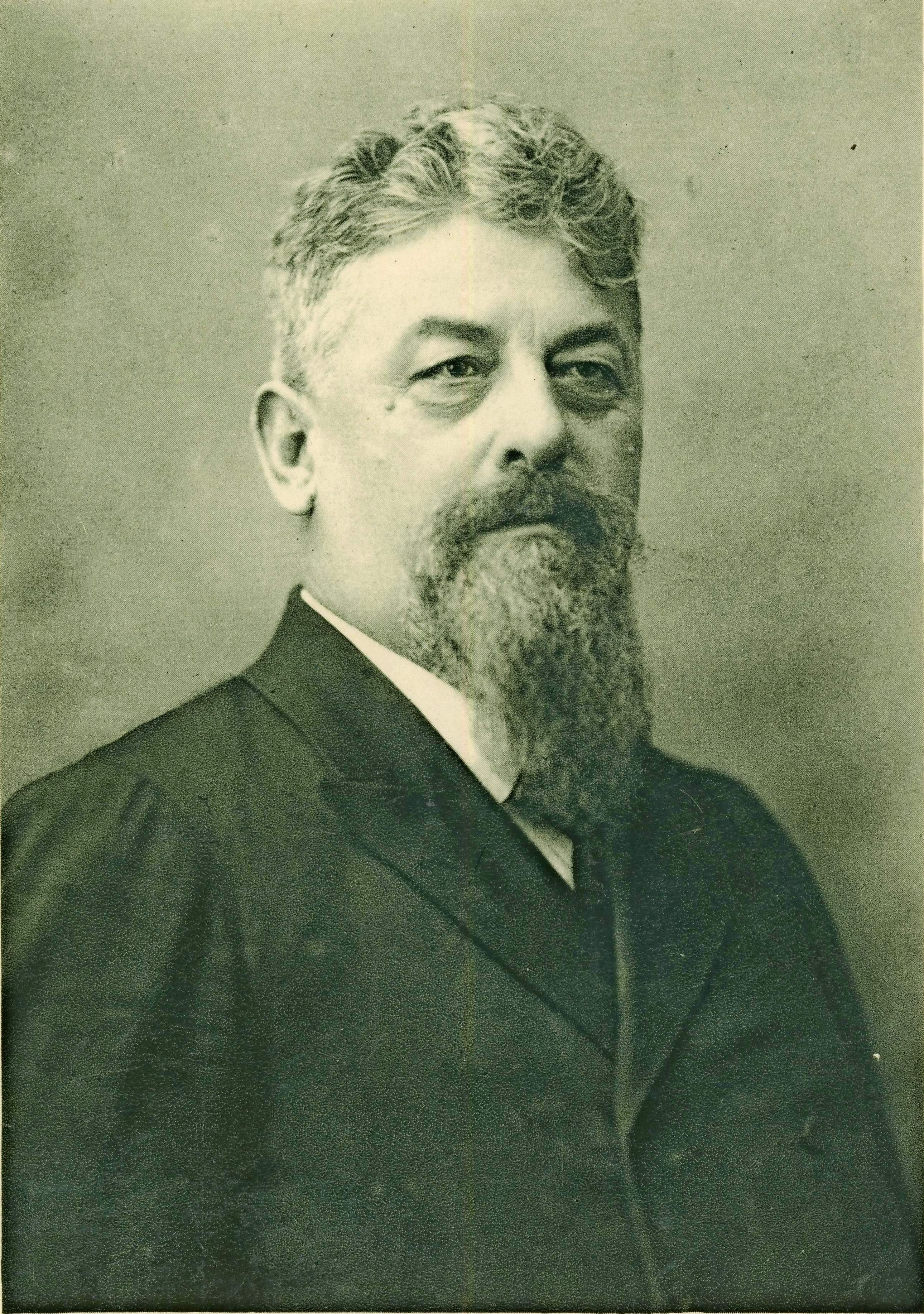
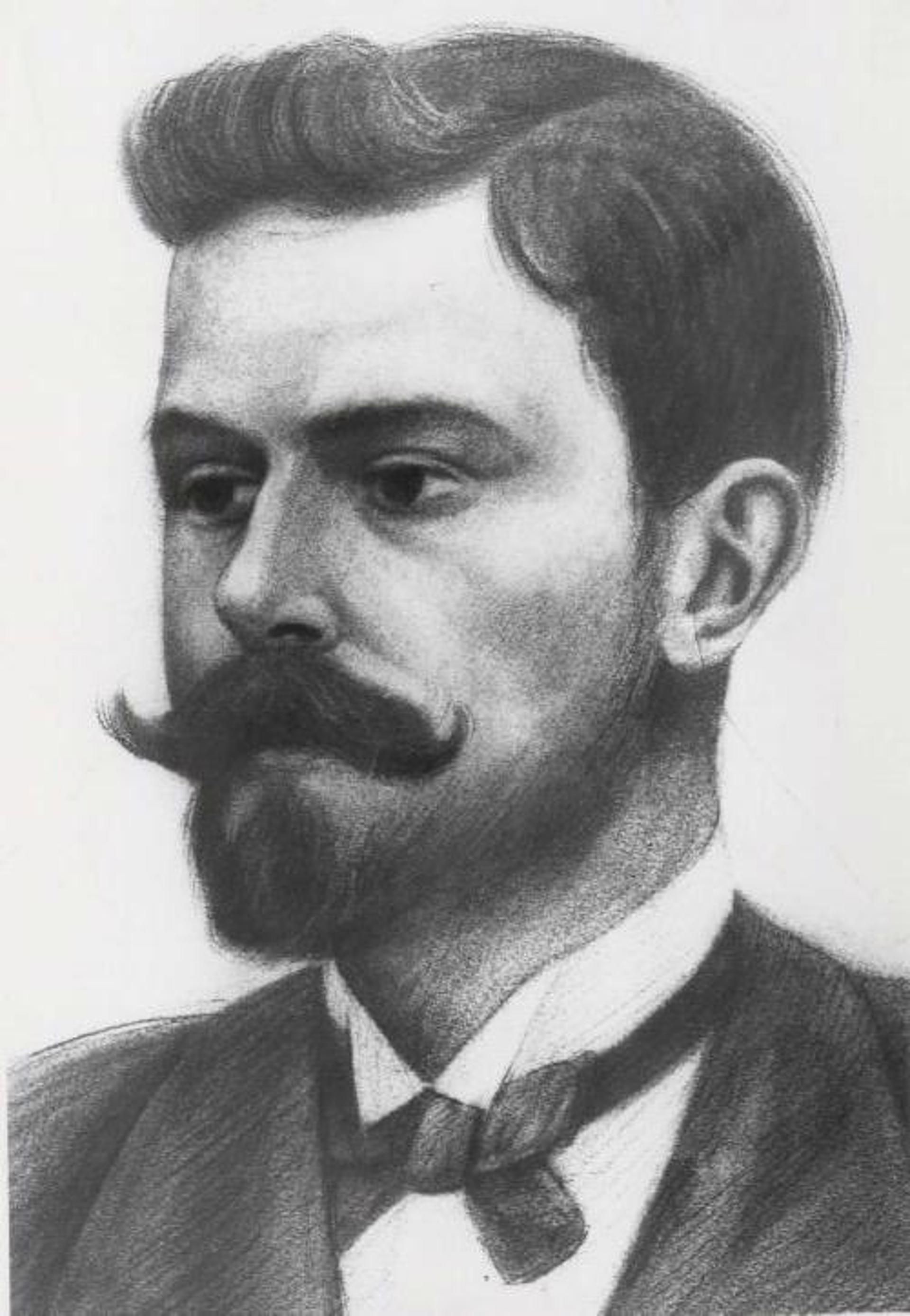
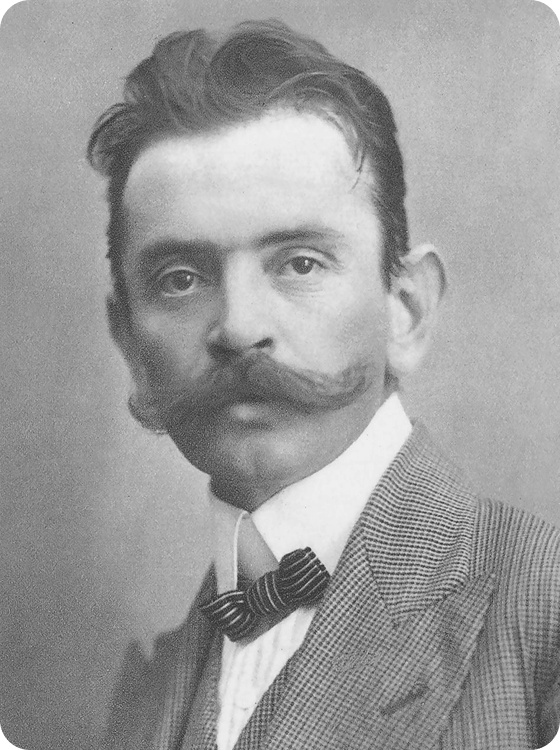
Dante did not address only his own time. His words crossed the centuries and reached the Slovenian cultural space as well. Generations of poets and writers recognized in his work universal questions about man, identity, memory, and the search for meaning.


Below are a few authors worth highlighting — if you'd like to learn more about them, ask our DANTE AI

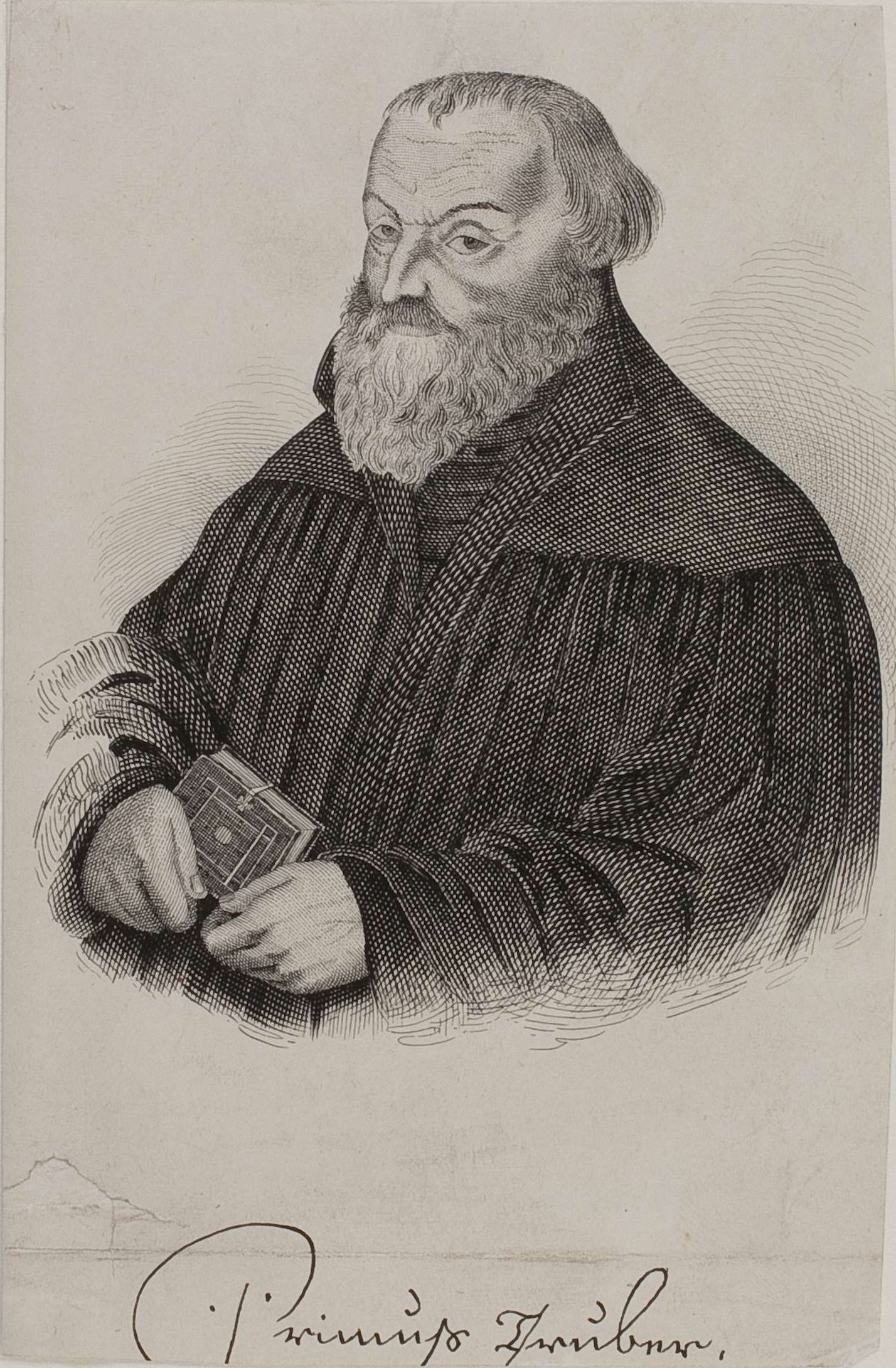
  • Primož Trubar (1508–1586)

    Primož Trubar is the founder of the Slovenian literary language and a key figure of the Reformation in Slovenia. With the first books written in Slovenian, he laid the foundations of the written word that shaped national identity. Just as Dante did for Italian, Trubar elevated the Slovenian language into the European cultural sphere.
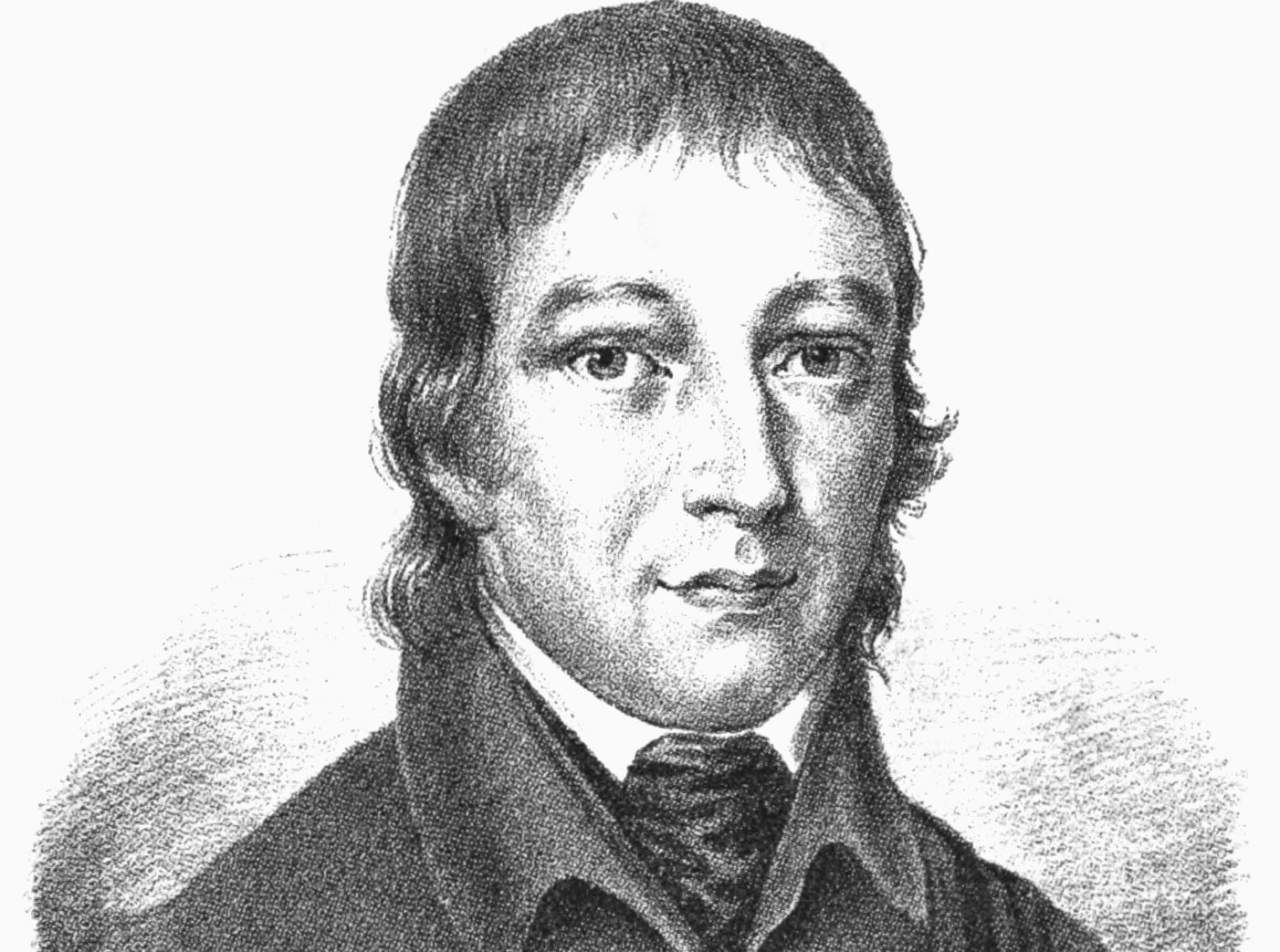
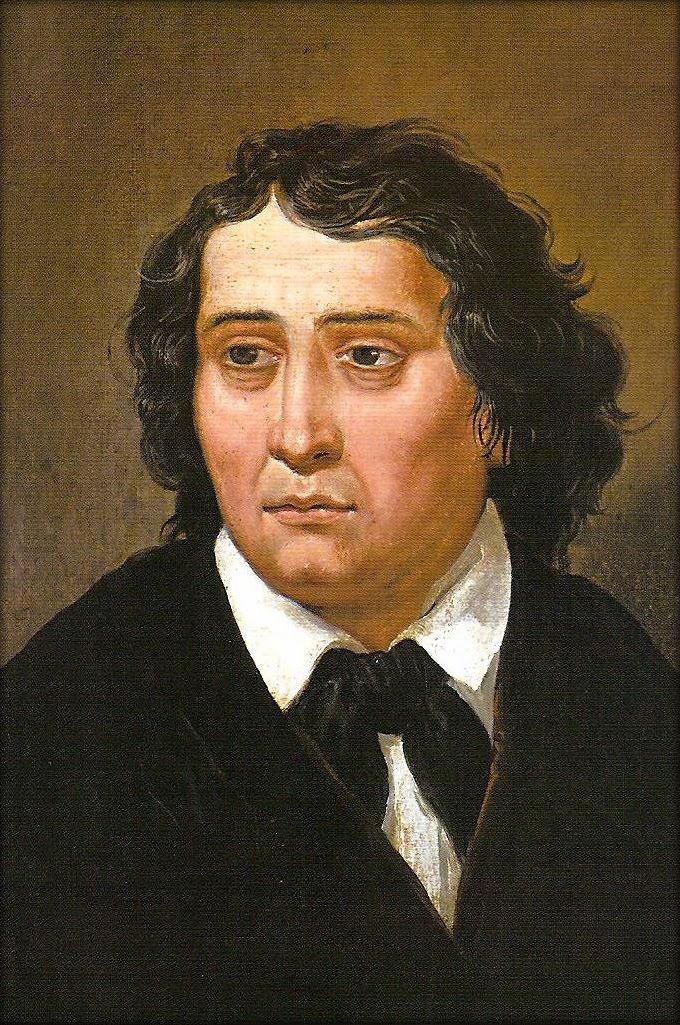
  • Valentin Vodnik (1758–1819)

    Valentin Vodnik, through his poems, newspapers, and Enlightenment work, significantly marked the development of the Slovenian language and literature. He awakened national consciousness and laid the foundations of the Slovenian literary tradition. Just as Dante Alighieri shaped the Italian linguistic and cultural space, Vodnik too is regarded as one of the key figures of Slovenian cultural identity.

  • France Prešeren (1800–1849)

    France Prešeren, much like Dante, showed that literature in one's native language can become the foundation of national culture and identity. Just as Dante elevated Italian, Prešeren placed the Slovenian language alongside the great European literatures.

  • Fran Levstik (1831–1887)

    Fran Levstik was a Slovenian writer, critic, and national awakener whose work significantly marked the development of Slovenian literature in the 19th century. With an emphasis on language, folk narrative, and national consciousness, he shaped the foundations of the Slovenian literary revival. Just like Dante, Levstik too used the written word to strengthen the cultural identity of his nation.

  • Ippolito Nievo (1831–1861)

    Writer and patriot, he was a protagonist of the Italian Risorgimento and spent most of his life between Veneto and Friuli. His work represents one of the foundational moments of modern Italian narrative, capable of weaving together national history, personal memory, and territorial identity.

  • Josip Stritar (1836–1923)

    Josip Stritar was a Slovenian poet, writer, critic, and translator who significantly helped shape Slovenian literature in the 19th century. Through his work both at home and in the broader European context, he connected Slovenian literature with wider cultural currents and influenced the development of national consciousness. In the spirit of Dante, Stritar too used the written word to strengthen the importance of language as the foundation of cultural identity.

  • Simon Gregorčič (1844–1906)

    Simon Gregorčič was born in 1844 and died in 1906. He was one of the most important Slovenian poets of the 19th century, known for his lyrical poems that often express love for nature, homeland, and freedom. Among his most famous poems are Soči (To the Soča), Človeka nikar! (Not Man!), Ujetega ptiča tožba (The Caged Bird's Lament), and Veseli pastir (The Merry Shepherd), which reflect his deep feeling for his native land and its nature.

  • Ivan Tavčar (1851–1923)

    Ivan Tavčar was a Slovenian writer, lawyer, and politician whose works left a mark on national identity and literature in the 19th and early 20th centuries. His creative world is closely tied to the manor at Visoko, where history, nature, and narrative intertwine. Just like Dante, Tavčar too shaped, through literature, a space of cultural memory and belonging.

  • Dragotin Kette (1876–1899)

    Dragotin Kette, through his short yet exceptional poetic path, left his mark on the area between Prem, Ilirska Bistrica, and Trieste. In his search for poetic expression and connection with the sea, he also created the famous cycle Adria. Despite illness and difficult life circumstances, he persisted in his creative work and, much like Dante Alighieri, believed in the power of literature and the poetic calling.

  • Ivan Cankar (1876–1918)

    Ivan Cankar referenced Dante directly as well. In his short story Skodelica kave (A Cup of Coffee), he used a quote from the Purgatorio, and through themes of guilt, conscience, and spiritual purification, he created a world that strongly resembles Dante's moral journey.

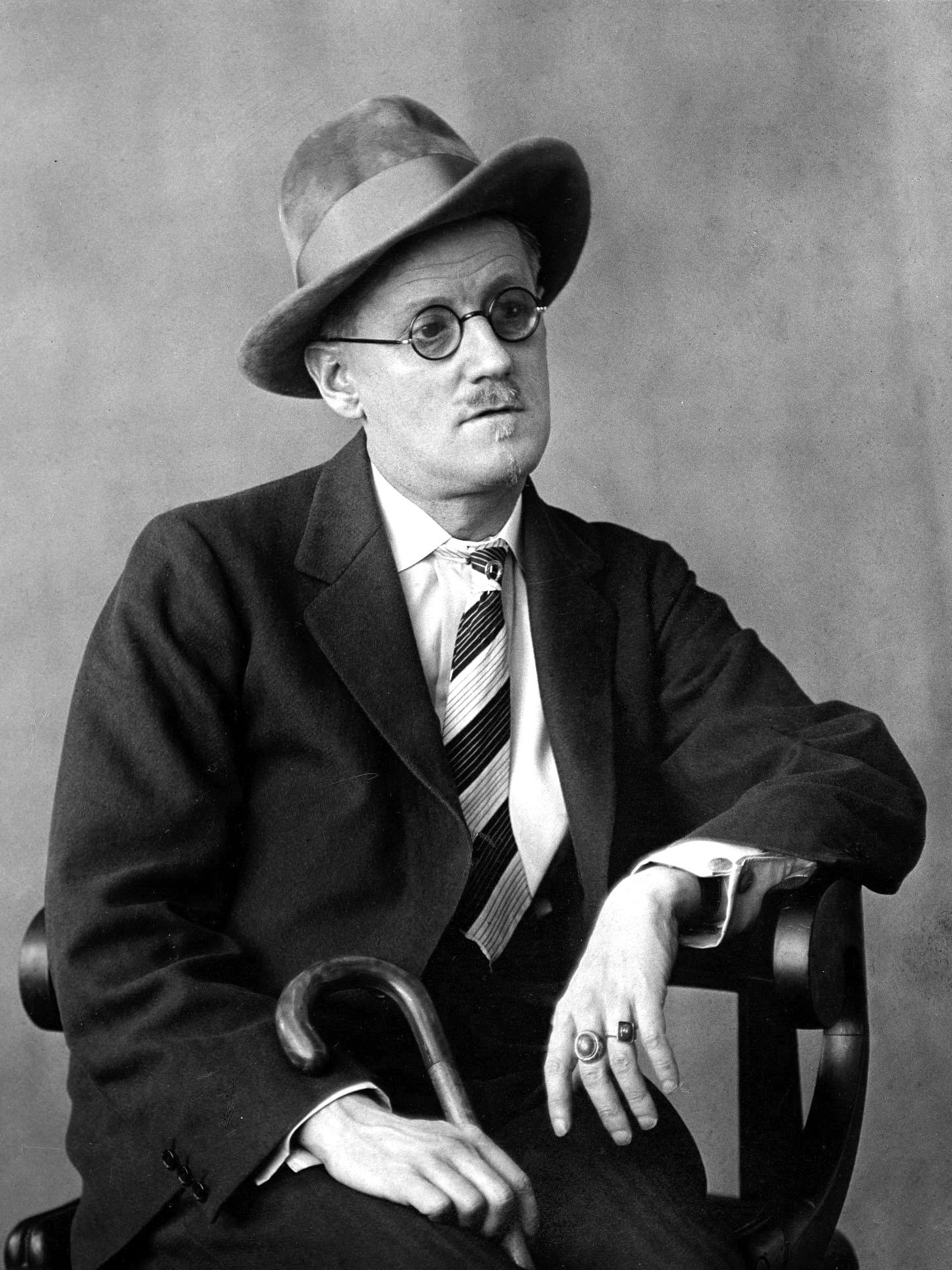
  • James Joyce (1882–1941)

    He spent almost eleven years in Trieste, over several periods between 1904 and 1920, where he wrote or conceived some of his most important works. His influence on Trieste’s literary scene and on the cultural dialogue between different languages and traditions remains an important part of the city’s history.

  • Diego Valeri (1887–1976)

    Poet, translator, and university professor, he represents one of the most elegant voices in 20th-century Venetian literature. A translator of Baudelaire and Paul Valéry, he was a cultural bridge between Italy and France.

  • Umberto Saba (1883 – 1957)

    He is considered one of the most important poets and literary figures of Trieste in the first half of the 20th century. His poetry is deeply personal, often confessional, and filled with love for his hometown, which was a constant source of inspiration for him.

  • France Bevk (1890–1970)

    France Bevk was born in 1890 and died in 1970. He was an important Slovenian writer, poet, and publicist who spent most of his life in Gorenjska and Notranjska. He is known for his novels, short stories, and poems, which often deal with the life of rural people, social justice, and historical events. Among his most recognized works are the novel Kaplan Martin Čedermac and the collection of short stories Povest o dobrih ljudeh (The Tale of Good People).

  • Giovanni Comisso (1895–1969)

    Writer and traveler, he participated in the Great War and wrote about Veneto, the sea, and the East with an original style, open to cultural cross-pollination and the experience of travel. He represents the meeting between local identity and cosmopolitan openness, interpreting Veneto as a place of exchange between Mediterranean and European cultures.

  • Giacomo Noventa (1898–1960)

    Poet and intellectual, he made the Piave River and his mother tongue a heritage of European culture. His cultural reflection combines local roots with European thought, positioning Veneto as a crossroads of civilizations and traditions.

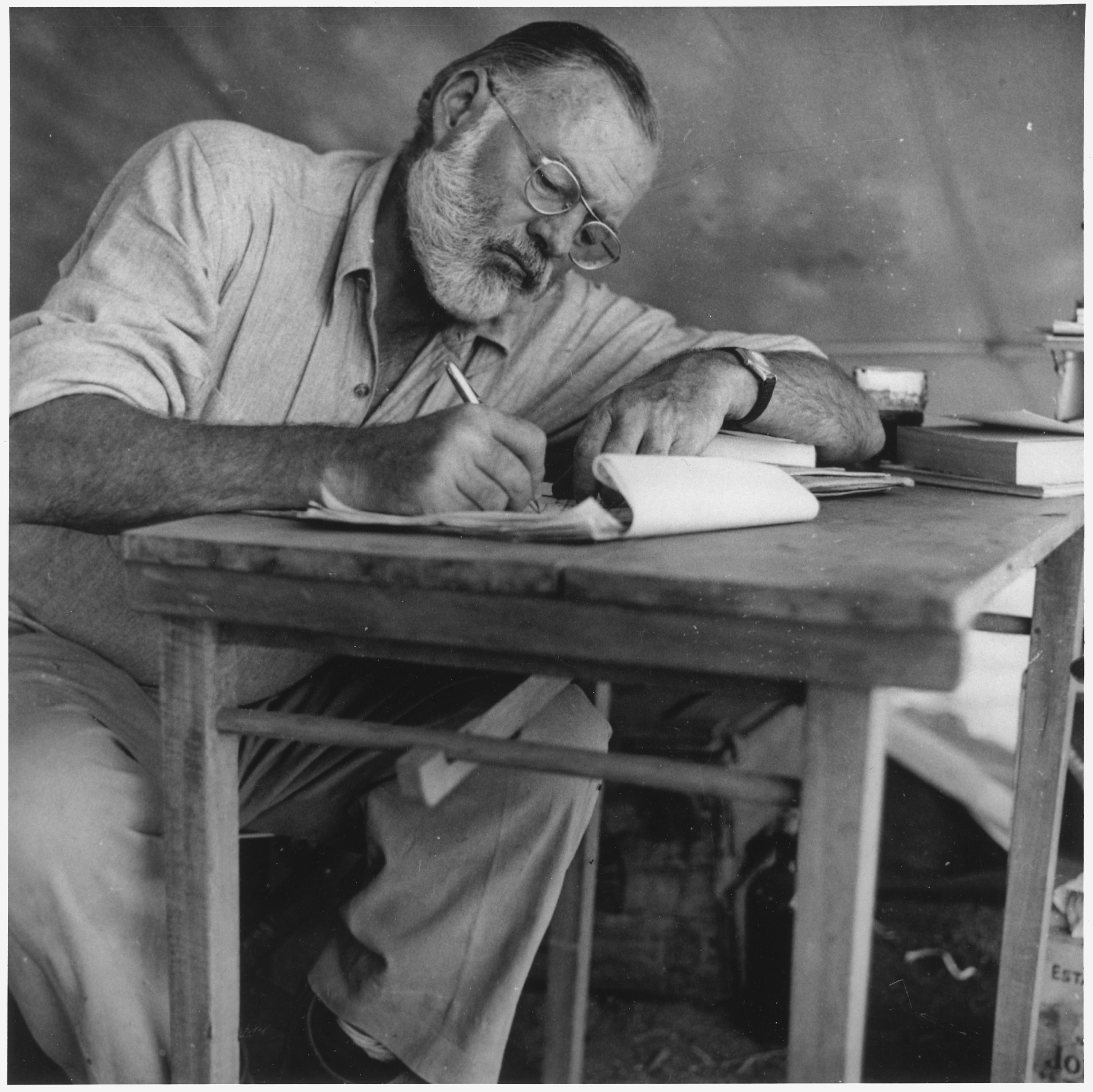
  • Ernest Hemingway (1899–1961)

    He is one of the most important American writers of the 20th century and had a long-standing connection with Veneto. His experiences in the region profoundly influenced his life and literary work, reflected in his stories through an authentic connection with nature, Mediterranean life, and a deep yet understated relationship with the local culture.

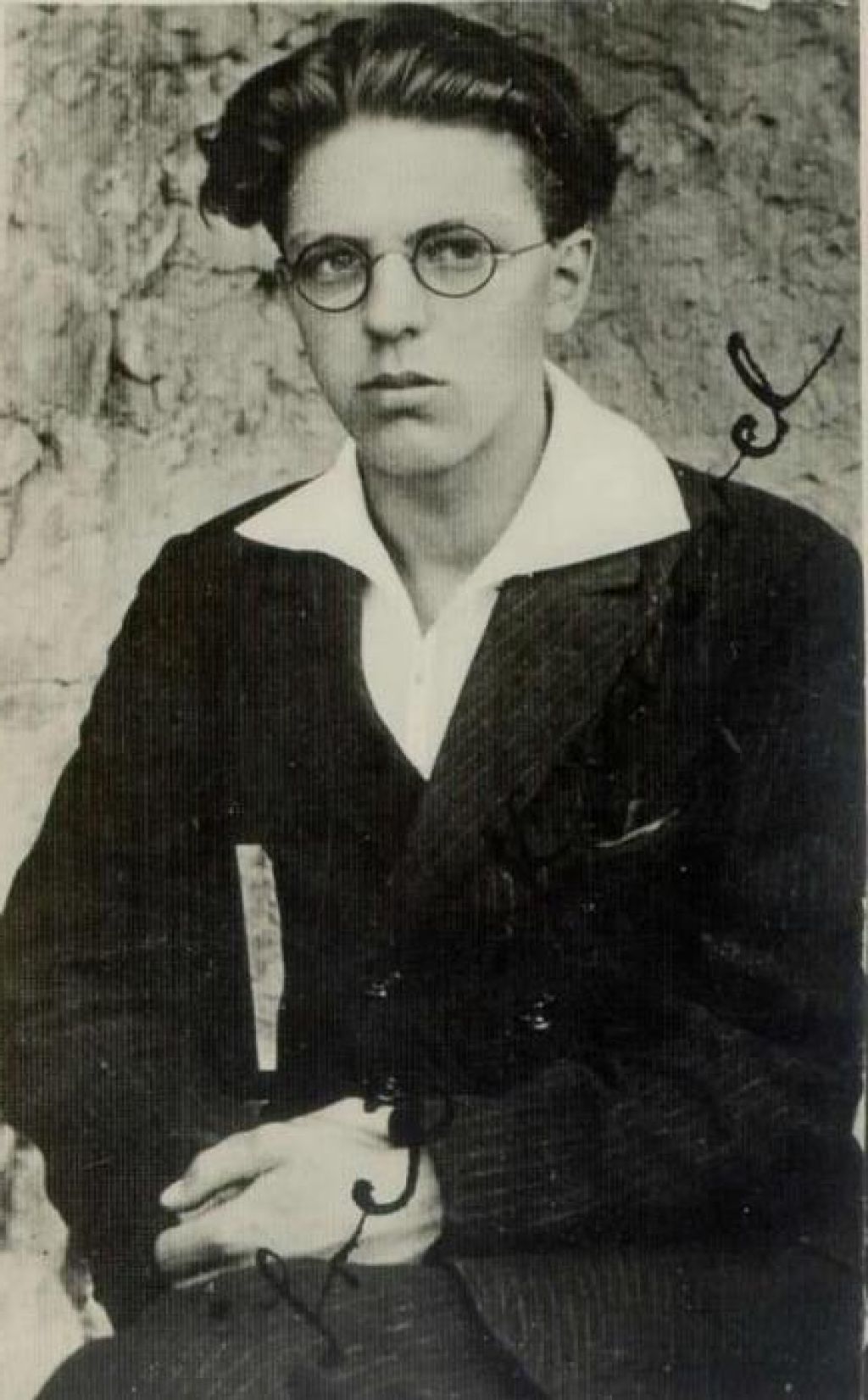
  • Srečko Kosovel (1904–1926)

    On the Karst, Dante's imaginative world meets the poetry of Srečko Kosovel. The bora wind, stone, and the Karst landscape become, in his poems, a symbol of man's inner division and his search for a new world and future.

  • Dino Buzzati (1906–1972)

    From the Dolomites, he created a world where mystery, anticipation, and destiny speak to everyone. A writer and journalist, he combined realism with the fantastic, anticipating the themes of contemporary alienation and European existentialism.

  • Ciril Kosmač (1910–1980)

    Ciril Kosmač was a Slovenian writer, born in 1910 and died in 1980. He spent a large part of his life in and around Nova Gorica, where he also did his writing. Kosmač is known for his short stories and novels, which often reflect the lives of people in the Primorska region during the period between the two wars and after World War II. Among his most important works are the novel Ljubezen (Love) and the short story Petelinji zajtrk (The Cockerel's Breakfast), which remain an important part of Slovenian literature.

  • Boris Pahor (1913–2022)

    Boris Pahor is closely connected to Trieste; in his works he wrote about memory, human dignity, and the experience of totalitarian regimes. Just like Dante, Pahor too created, through literature, a moral map of his time.

  • Giuseppe Berto (1914–1978)

    Writer, playwright and screenwriter, he explored the drama of modern man through memory, war and inner freedom. His fiction engages in dialogue with the major psychological and existentialist currents of 20th-century Europe.

  • Andrea Zanzotto (1921–2011)

    He sang of the hills of Veneto, transforming the landscape into a universal language of poetry. He is one of the major voices of European lyric poetry in the second half of the 20th century. His ecological and linguistic reflections anticipated many contemporary perspectives on the relationship between humanity and the environment.

  • Mario Rigoni Stern (1921–2008)

    Italian writer and military officer, he made the Asiago Plateau a European symbol of peace, nature and memory. He represents an essential voice in the European memory of the 20th century, transforming the experience of war into a universal message of peace and respect for the environment.

  • Luigi Meneghello (1922–2007)

    University professor and writer, he transformed the Vicenza area and the Resistance into a living memory of European consciousness. He portrayed rural life with extraordinary attention to language and memory.

  • Goffredo Parise (1929–1986)

    Writer and journalist, he explored modern humanity through a spare, essential style, drawing inspiration from his native Vicenza. His writings combine irony, melancholy and a profound sensitivity to the human condition. His work addresses the transition from traditional society to consumer modernity, a central theme of 20th-century European culture.

  • Fulvio Tomizza (1935–1999)

    An Istrian writer, he explored in his works the historical and cultural relations between Italians, Slovenes and Croats, becoming one of the most important literary figures of the border region. His works addressed themes of identity, history and cultural belonging within the multiethnic and multilingual context of Trieste and the surrounding areas, promoting dialogue and understanding between peoples.

  • Antonia Arslan (1938–)

    Writer and university professor, from Padua she explores the dialogue between Veneto and Armenia through the power of memory. Her work promotes dialogue between peoples and the building of a shared European cultural identity.

  • Claudio Magris (1939–)

    He is one of Italy’s most important writers, essayists and Germanists, as well as an internationally recognized voice of Central European culture. In his works, he often explores Trieste as a multicultural crossroads shaped by Italian, Slovenian, German and Habsburg legacies. As an advocate of dialogue between cultures, he has emphasized in his works the importance of coexistence and mutual understanding among peoples.

From Venice to Izola, Tolmin, and Friuli, a shared literary and cultural space takes shape, where Dante's legacy continues to connect places, languages, and people to this day.


If you'd like to learn more about our cross-border literary trail, take a look at our map.

Back