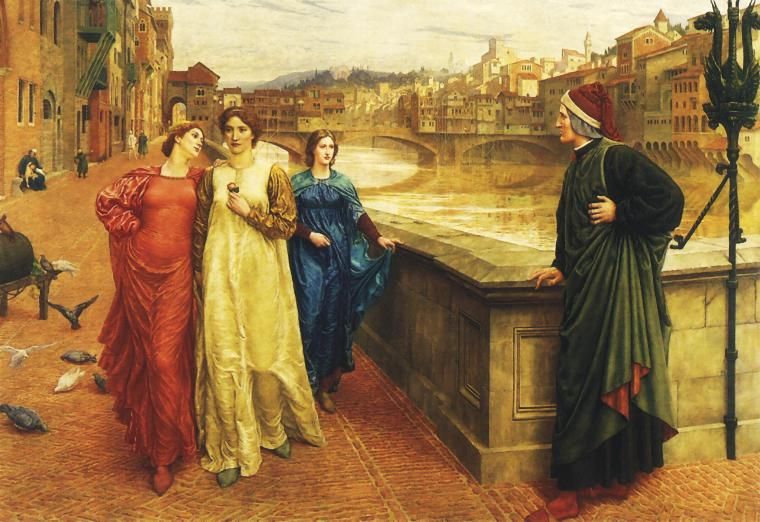
Dante as an exile and traveler
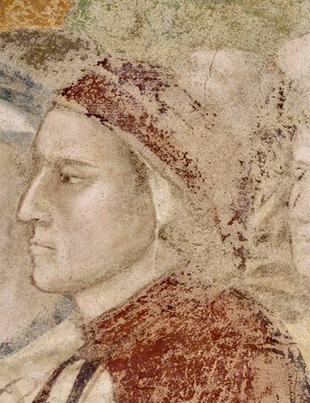
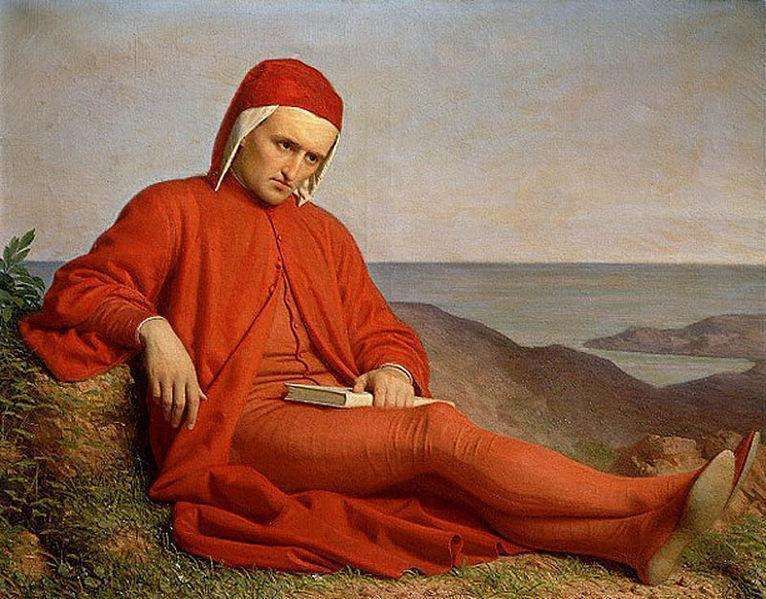
Dante Alighieri (1265 – 1321) is considered one of the greatest poets of the European Middle Ages and is often called the "father of the Italian language." His life was intertwined with turbulent political events in his native Florence, with artistic searching, and with an inner spiritual journey that finds its fullest expression in his greatest work, the Comedy. In 1302 he was permanently banished from his home city and never returned to it.
His path led him through the cities of northern Italy and along the Adriatic — in constant search of protection, allies, and a new space for creation.
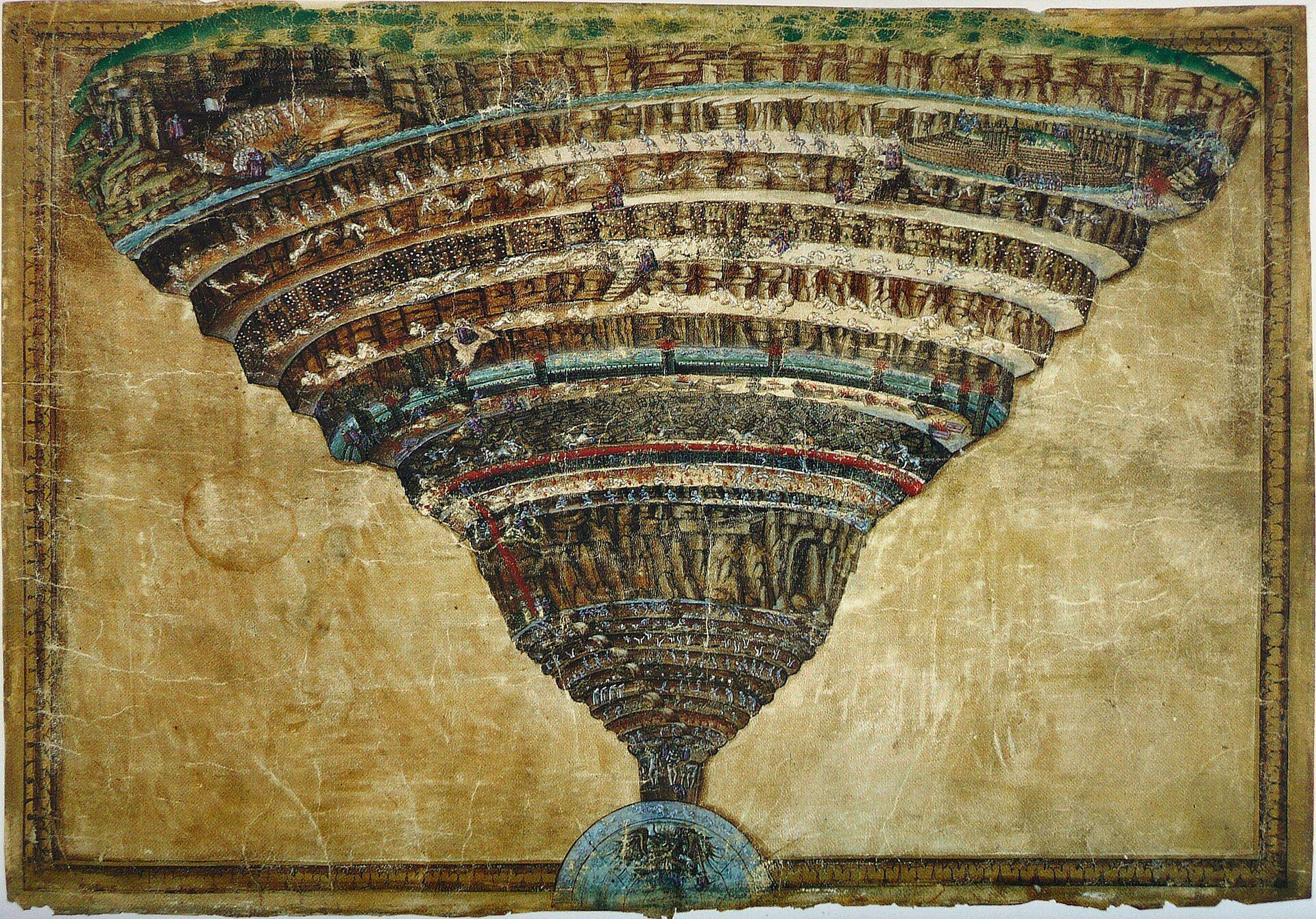
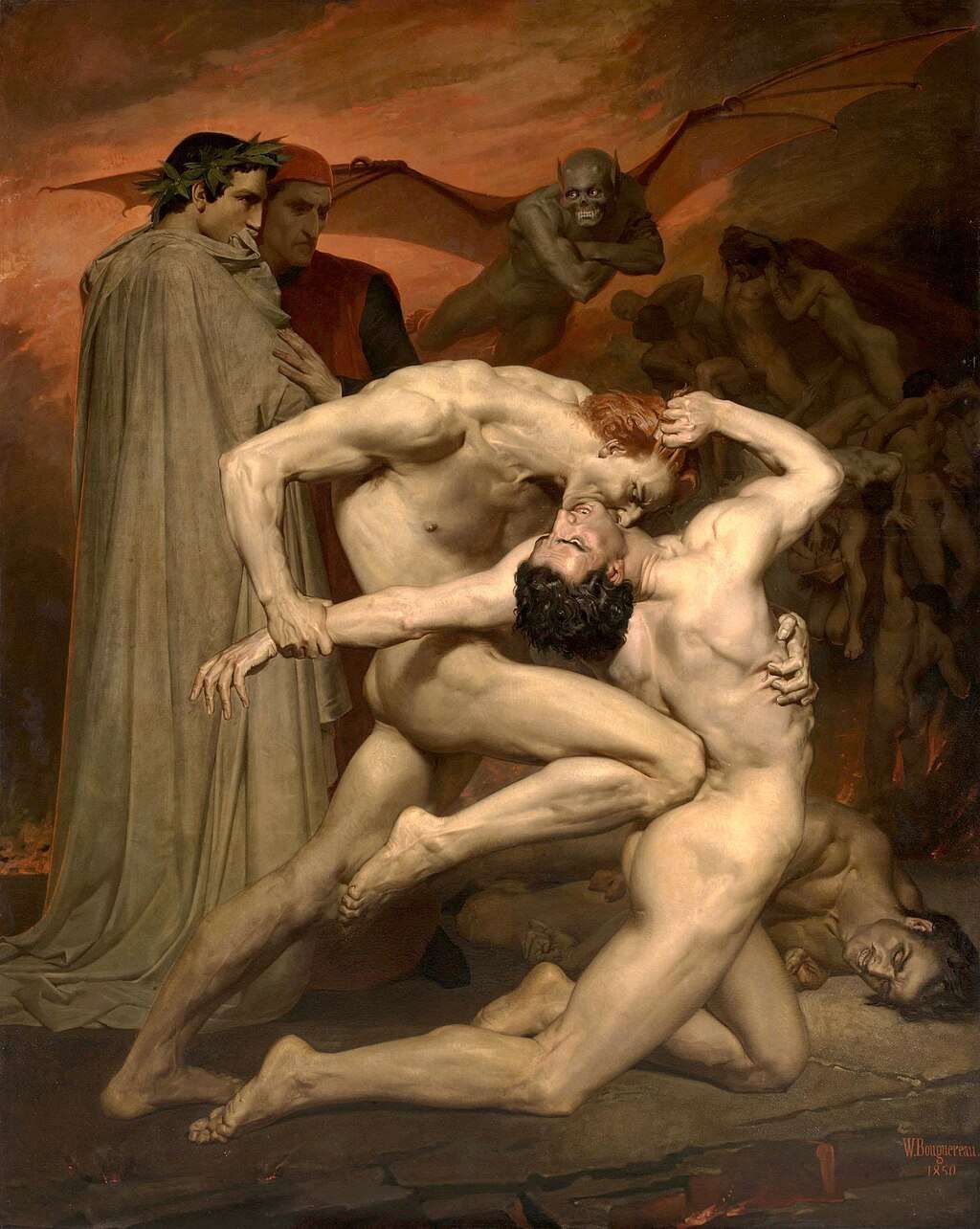
It was in exile that his most important work was created: the Comedy. A visionary poem about a journey through Hell, Purgatory, and Paradise, which at the same time reflects Dante's own personal journey in search of truth, justice, and meaning.
The loss of home became his greatest theme. Exile is not merely a political fact, but a profound human experience — the collapse of security and the beginning of an inner journey.
This is why Dante transcends time today. He became a symbol of humanity on a journey. A symbol of the search for identity, belonging, and meaning.
His legacy connects the European cultural space — including the Slovenian and Italian ones — as will be explored further.
If you'd like to know more about Dante as an exile and his vengeance, ask DANTE AI